Dog Won't Walk on a Leash? Causes and Gentle Fixes
Affiliate disclosure: we may earn a commission from the program mentioned below. How this works.
Short answer
A dog who stops, sits or lies down on walks may be in pain, uncomfortable in their harness, scared, or new to the leash. Rule out pain with your vet first, especially if your dog used to walk happily, and check paws and harness fit. Then rebuild walks with treats and short, comfortable routes, reward forward movement, and never pull or drag your dog.
Not sure where to start? Take the 2-minute quiz for a first-week plan.
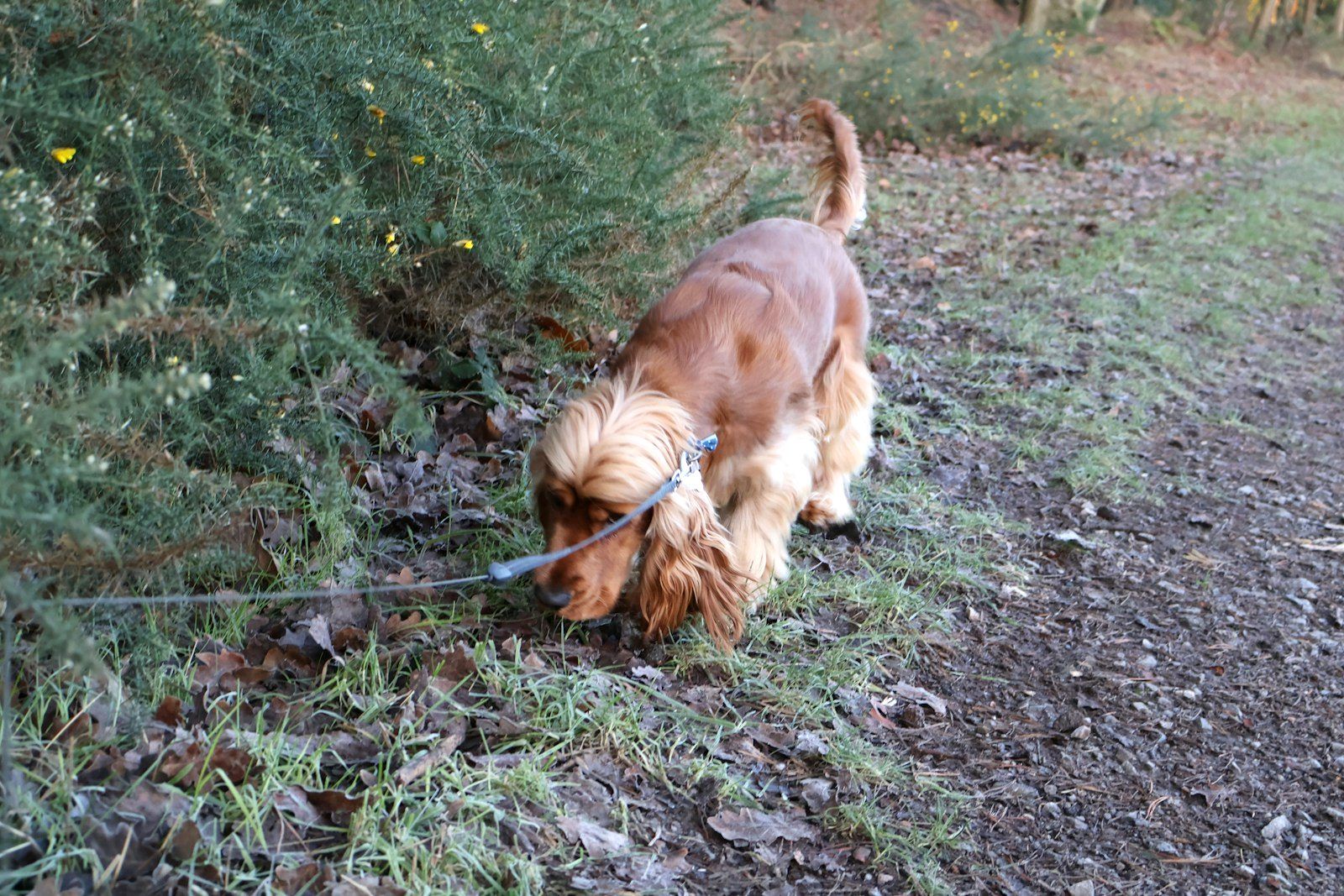
Your dog plants their feet, sits down or lies flat on the sidewalk, and won’t budge. It’s tempting to tug the leash, but a dog who refuses to walk is usually telling you something: that it hurts, that the harness is uncomfortable, that something ahead is scary, or that the leash still feels strange. This guide starts with the checks to do before any training, then gives a gentle plan to make walks something your dog wants to do. If your dog walks fine but pulls, our guide to loose-leash walking is the better place to start.
Why won’t my dog walk on a leash?
| Possible cause | What you might notice | Start with |
|---|---|---|
| Pain or illness | Your dog used to walk happily and now slows down, stops or won’t go out; stiffness, limping, trouble with stairs | Your veterinarian (Step 1) |
| Sore paws or uncomfortable ground | Stopping on hot pavement, prickly grass or cold ground; sitting to lift their feet; long nails | Paw and route check (Step 2) |
| Harness or collar that doesn’t fit | Stopping soon after the gear goes on; rubbing at the armpits; an odd gait | Fit check (Step 3) |
| Fear or overwhelm | Freezing near traffic, trucks, people or a particular spot; won’t take treats | Distance and a comfortable route (Steps 4 to 8) |
| New to the leash | Puppies and some rescue dogs who sit, freeze or bite the leash | Introduce the gear slowly (Step 4) |
| Walking too far or too fast for them | Older, small or tired dogs lagging and then stopping | A slower pace and shorter walks (Step 8) |
| Stopping has been rewarded | Your dog stops, you go back and give a treat, and the stops become more frequent | Reward moving, not stopping (Step 6) |
First: rule out pain, sore paws and the equipment
Step 1: Ask your vet, especially if it’s new
Dr. Ryane Englar, a veterinarian quoted by PetMD, says she is much more worried about the dog who always walked fine and then doesn’t, because it might be a sign of pain. She lists possible causes such as infection, illness, metabolic disease, undiagnosed diabetes, organ failure and Lyme disease. Only your vet can tell them apart.
Signs of pain that can show up on walks or at home:
- limping, walking more slowly, reluctance to exercise, or refusing stairs, furniture or the car (AKC);
- new reluctance to walk on slippery floors such as wood or vinyl (AAHA);
- standing up front legs first, several “false starts” before lying down, or stiffness after rest (AAHA);
- licking their lips, yawning or tucking their tail when an activity that hurts is about to start (AKC).
The AKC suggests keeping notes on when the signs happen and for how long, and taking videos, because many dogs behave differently at the clinic. While you wait for the appointment, it suggests avoiding activities that seem to cause discomfort, for example shortening walks to bathroom breaks only. If your dog suddenly shows significant pain or distress, the AKC says to seek emergency veterinary care right away.
Step 2: Check paws, nails and the ground
Whole Dog Journal suggests starting with physical problems: nails that are too long, irritated skin between the toes, sore muscles or arthritis pain can all make walking uncomfortable. Then check the route itself:
- Temperature. Avoid hot pavement. In the cold, check whether your dog’s paws are too cold: Whole Dog Journal notes that some dogs sit on their hindquarters to get their feet off the ground, and others limp.
- Surface and terrain. Prickly grass and steep hills can be enough to stop a dog.
- Pace. Older dogs, small dogs and dogs with physical problems walk more slowly than you do. Whole Dog Journal’s rule is not to pressure them to walk faster than they can, and to keep the leash loose.
Step 3: Check the harness or collar
Whole Dog Journal suggests checking the harness fit, trying a different one, or using only a flat collar. The Edmonton Humane Society gives three quick checks:
- Two fingers. You should be able to slip two fingers under each strap.
- No rubbing. Straps around the belly shouldn’t rub or cause chafing at the armpits or elbows.
- Watch the walk. Look at your dog’s gait and posture in the harness, and adjust anything that digs in or restricts movement.
It also notes that some harness styles restrict shoulder movement, and that some dogs are nervous of gear going over their head or of having their legs handled; a step-in style can help. Our loose-leash walking guide explains how to introduce a harness with treats.
Never pull or drag your dog
Whole Dog Journal is direct: use treats and praise to encourage your dog, and never use force or drag your dog along. The AKC’s trainer makes the same point for puppies, saying we should communicate clearly where we’re going so dogs aren’t just getting dragged along.
When your dog stops:
- Stop too, and let the leash go slack. Don’t tug.
- Look at what’s around. Is there a noise, a dog, a truck, hot ground? PetMD quotes trainer Megan Stanley: a scared dog usually just needs a few minutes to recover and realize they aren’t in danger.
- Offer a treat close to their nose. Whole Dog Journal notes that a dog who won’t take even very high-value treats is highly stressed. That’s your sign to leave, not to push on.
- Change direction. Turn and walk somewhere your dog is comfortable. Whole Dog Journal suggests avoiding places that make your dog nervous altogether for now.
- End the walk if you need to. Dr. Englar’s advice to owners: if you’re getting frustrated, stop and try again another day.
Then: make walking worth it, step by step
Start these steps once your vet has ruled out pain and the gear fits well.
Step 4: Make the leash predict good things
Stanley’s advice is to bring out new equipment and let your dog explore and sniff it before putting it on, and to pair the collar, harness and leash with food. With a puppy, let them drag the leash around indoors while you reward them, then pick up the leash and let your puppy lead you where they want to go, within reason, before you start directing them (PetMD).
Whole Dog Journal adds a short routine: pick up the leash, say “Leash!”, put it on and immediately give a treat.
Step 5: Practice indoors with a new cue
In your house or yard, choose a cue you haven’t used before, such as “Let’s go!”, and say it in an upbeat voice. As soon as your dog takes one step with you, reward them. Reward often and keep sessions to three to five minutes (Whole Dog Journal). The AKC suggests marking with a click or “yes” and rewarding every few steps as you start walking.
Step 6: Reward moving, not stopping
Stanley warns against going back to your dog and rewarding the stop, which is counterproductive. Instead, reward your dog when they’re moving forward after you’ve asked: say “Let’s go!” and treat the moment your dog starts walking with you. Praise them for walking forward, too. Use a treat your dog really loves; Stanley suggests freeze-dried liver.
Step 7: Take short walks somewhere comfortable
When your dog is happy walking at home, go somewhere new for a very short walk, with lots of treats along the way (Whole Dog Journal). Plan for sniffing time: Whole Dog Journal reminds owners that it’s your dog’s walk, and that sniffing is part of the point. Our guide to mental stimulation explains why slow sniff walks are worth it.
If something ahead might bother your dog, Whole Dog Journal suggests a very high rate of treats and praise as you approach and pass it. Over time, your dog may start to look at you for a treat when they see something they’re unsure about.
Step 8: Lengthen walks slowly, and respect your dog’s limits
Make walks longer gradually. If your dog becomes reluctant again and health and equipment are already sorted, Whole Dog Journal says to shorten the walks and respect your dog’s limits: not all dogs need to walk far for their health or happiness.
A short log helps you spot patterns:
| Date | Where your dog stopped | What was around | Ground and weather | Took treats? | What helped |
|---|---|---|---|---|---|
| Example: Sat | Corner of the park | Garbage truck | Dry, mild | No | Turned back, walked the other way |
Common mistakes
- Dragging or tugging. Whole Dog Journal says never to use force or drag your dog along. It doesn’t fix pain or fear, and a scared dog needs time and distance instead.
- Going back and rewarding the stop. Reward forward movement instead (PetMD).
- Skipping the vet when the change is sudden. A dog who used to walk happily and now won’t needs a vet check first (PetMD).
- Pushing past something scary. Walk where your dog is comfortable and avoid places that make them nervous for now (Whole Dog Journal).
- Walking at your pace, not theirs. Older, small and less fit dogs walk more slowly (Whole Dog Journal).
- Using a choke chain. Stanley advises against choke chains; a well-fitted harness takes pressure off the neck (PetMD).
Leash refusal by age
Puppies. Wearing a collar or harness and leash isn’t natural to dogs, Stanley explains, so take your time introducing it. The AKC says leash training can start as soon as you bring your puppy home, beginning indoors, and recommends a harness that fits correctly so the puppy can’t slip out and can move freely. Our puppy training guide covers the other early skills.
Adult and rescue dogs. An adult dog who never learned to walk on a leash has to learn it from scratch, and Stanley says it’s a longer process than with a puppy. Dr. Englar notes that being an adult doesn’t mean a dog has leash experience. The steps are the same: go slowly and reward generously.
Senior dogs. Arthritis and other painful conditions become more common. Whole Dog Journal suggests asking your vet whether pain medication might help a senior dog with arthritis, and AAHA’s list of pain signs (slippery floors, stairs, standing up front legs first) is worth reviewing.
When to get help
See your veterinarian if:
- your dog used to walk happily and has started stopping, lagging or refusing (PetMD);
- you notice limping, stiffness, trouble with stairs or other signs of pain (AKC, AAHA);
- the change doesn’t resolve quickly (PetMD).
Seek emergency care if your dog suddenly shows significant pain or distress (AKC).
Once your vet has given your dog a clean bill of health, PetMD suggests a trainer who uses only positive reinforcement, with no punishment, if you’re still stuck. If your dog freezes or panics around other dogs or people, read our guide to leash reactivity as well.
Not sure where to start? Take the 7-question quiz and get the guide for your result by email.
Frequently asked questions
Why does my dog suddenly refuse to walk?
A dog who always walked fine and suddenly won't is a reason to see your vet. Dr. Ryane Englar, a veterinarian quoted by PetMD, says this change can be a sign of pain, and possible causes include infection, illness and other medical problems. The AKC lists slower walking, reluctance to exercise and refusing stairs among the signs of pain.
Should I pull my dog along if they stop?
No. Whole Dog Journal's advice is to never use force or drag your dog along. Stop, let the leash go slack and give your dog a moment. PetMD quotes trainer Megan Stanley saying that a scared dog usually just needs a few minutes to recover. If your dog won't move, turn and walk somewhere they're comfortable.
Why does my puppy sit down and refuse to walk on the leash?
Wearing a collar or harness and leash isn't natural to dogs, Stanley explains, and puppies also meet a world full of new smells, people and noises. Introduce the gear slowly with treats, let your puppy drag the leash indoors, and only start directing them once they're comfortable with you holding it.
Can a harness make a dog refuse to walk?
It can if it doesn't fit. Whole Dog Journal suggests checking the fit of the harness, trying a different one or using only a flat collar. The Edmonton Humane Society says you should be able to slip two fingers under each strap, the straps shouldn't rub at the armpits or elbows, and you should watch your dog's walk for anything digging in or restricting movement.
Sources
- Why your dog won't walk on the leash, from dog training to health issues — PetMD
- Why your dog doesn't want to walk: understanding and solving leash refusal — Whole Dog Journal
- Signs your dog is in pain — American Kennel Club
- 15 signs of pain in dogs — American Animal Hospital Association (from Michael Petty, DVM)
- Dog resource guide: selecting and fitting a dog harness — Edmonton Humane Society
- How to train a dog or puppy to walk on a leash — American Kennel Club
Related guides
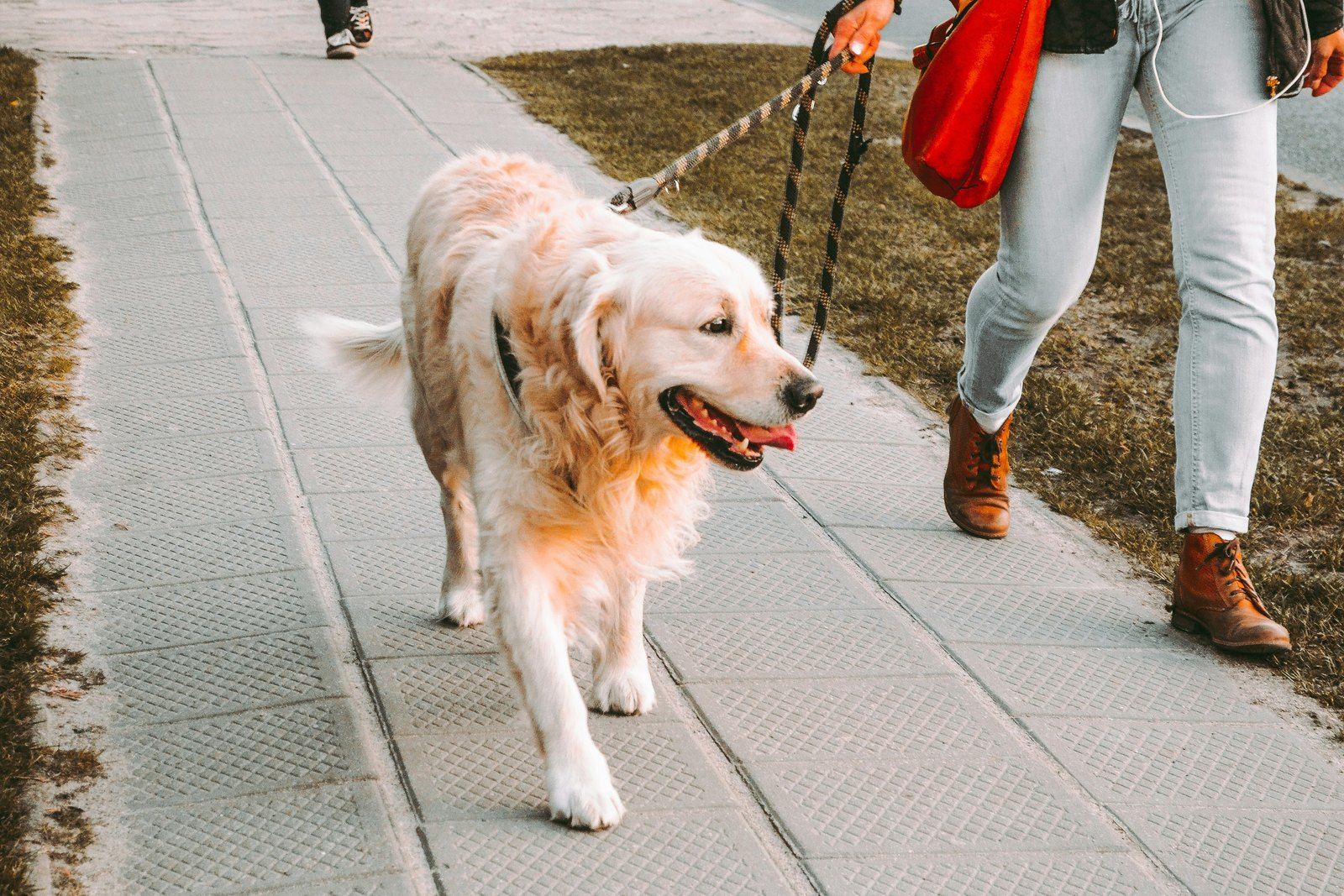 Loose-Leash Walking: How to Stop a Dog Pulling
Why dogs pull on the leash, and a step-by-step force-free plan to teach loose-leash walking, with gear that helps and fixes for lunging and stopping.
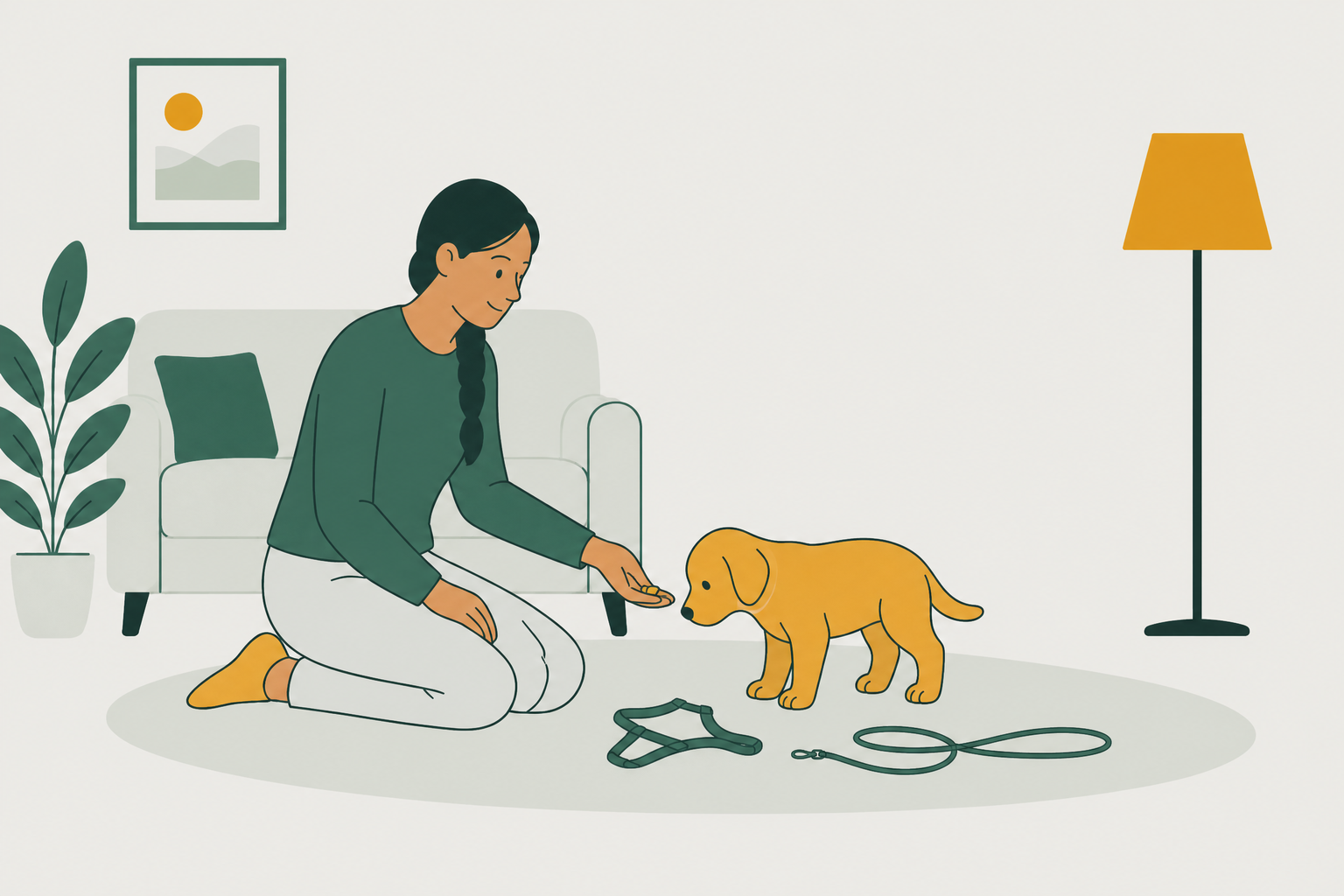 Puppy Leash Training: Collar, Harness and First Walks
When to start leash training a puppy, how to choose and introduce a collar or harness, and how to plan safe first walks around vaccines and socialization.
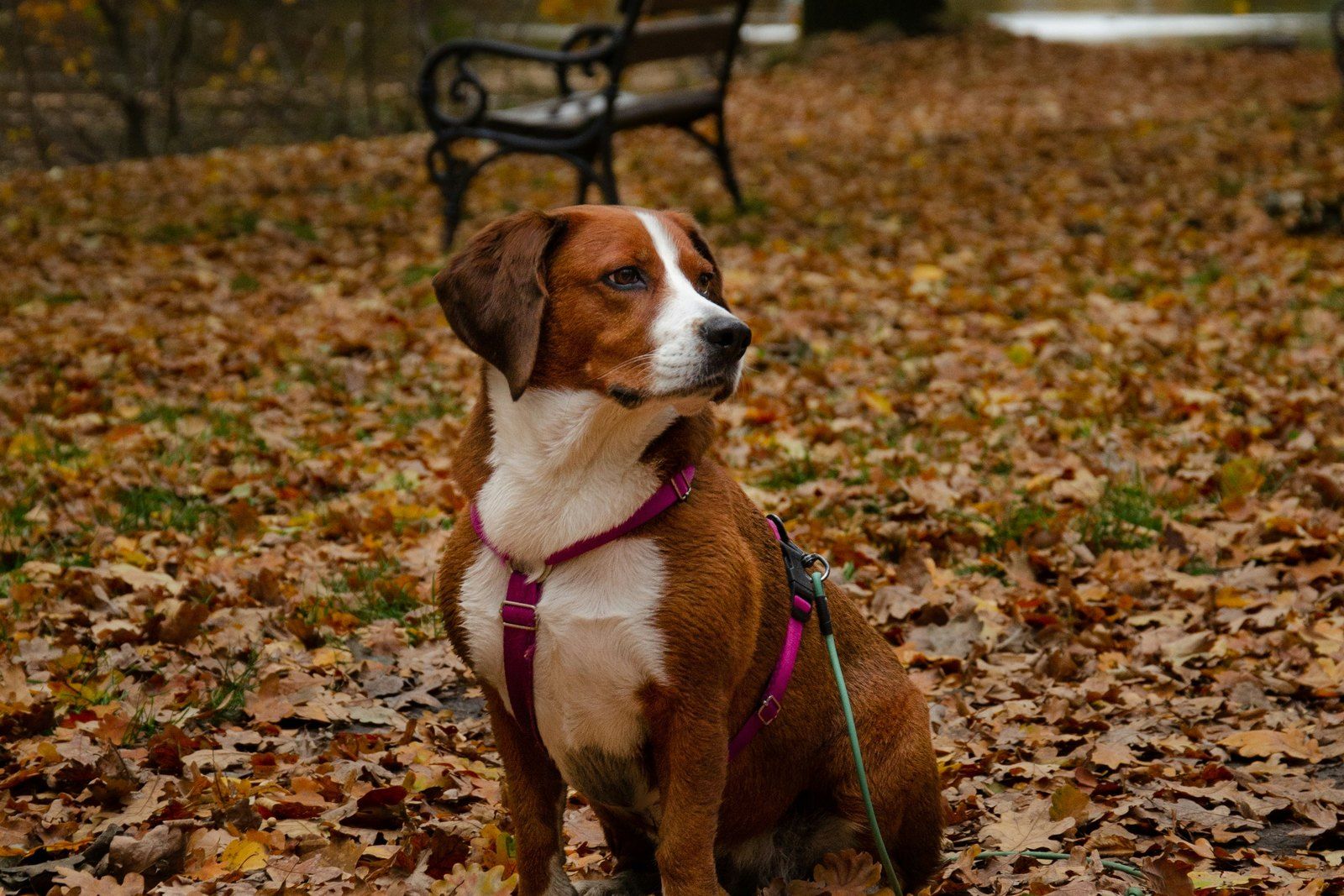 Leash Reactivity: Why Dogs Lunge and Bark at Other Dogs
Why dogs lunge and bark at other dogs on leash, how to tell frustration from fear, and a force-free, step-by-step plan to help them stay calm on walks.