Dog Separation Anxiety: A Step-by-Step Training Plan
Short answer
Separation anxiety is distress a dog feels when left alone. To treat it, practice absences short enough that your dog stays relaxed, avoid longer absences while you train, make departure cues like keys and shoes boring, and build calm at home. Involve your veterinarian, since some dogs need medical support alongside a gradual training plan.
Not sure where to start? Take the 2-minute quiz for a first-week plan.
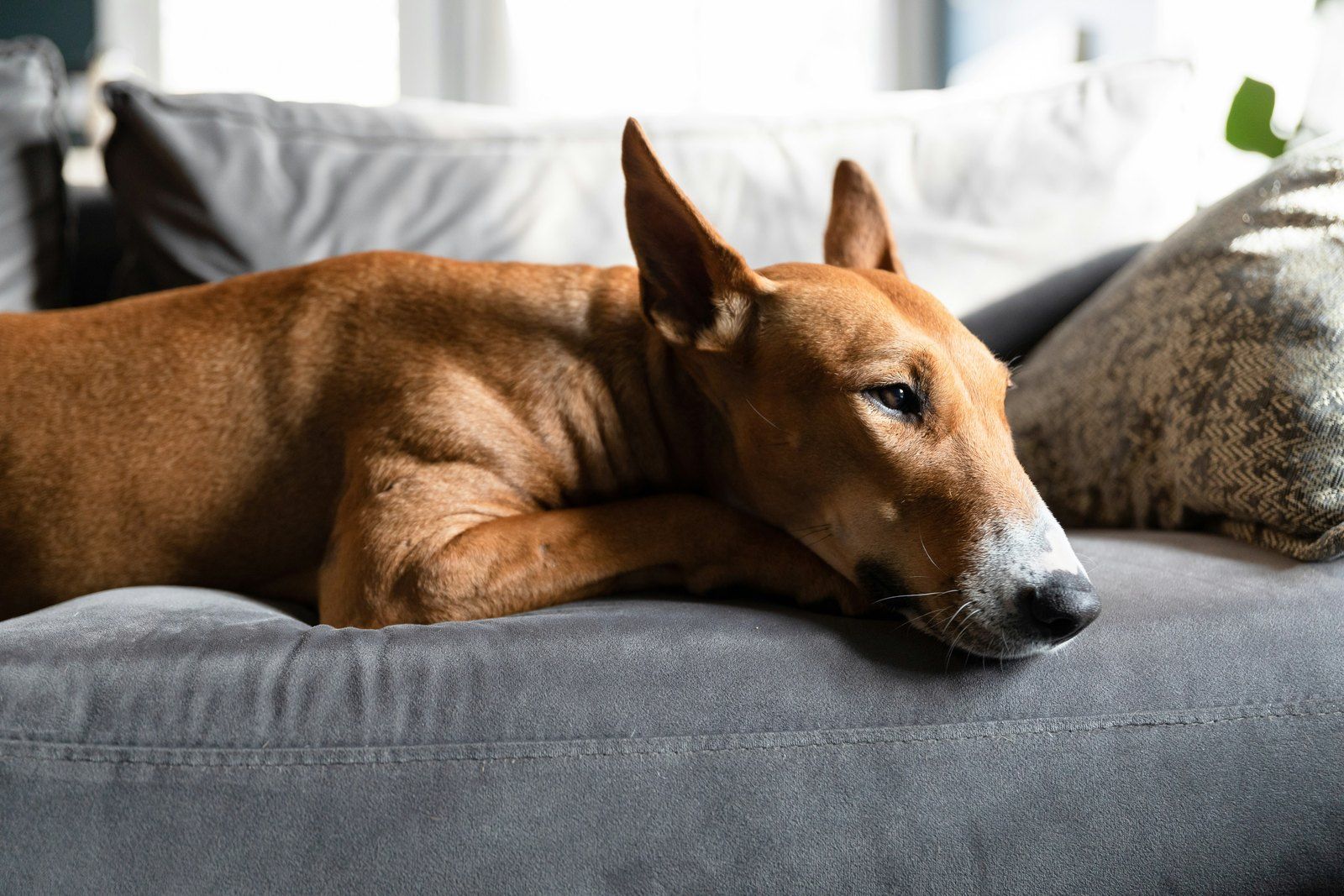
Coming home to a chewed door frame, a complaint from the neighbors, or a dog who’s frantic with relief is stressful. It’s even harder when you feel you can’t leave the house. The good news is that separation problems can improve with a patient, structured plan. The key is understanding that your dog isn’t misbehaving: they’re frightened.
Does my dog have separation anxiety? A quick self-check
Ask yourself four questions, based on the signs the ASPCA and VCA Animal Hospitals describe:
- Do the problems happen only when your dog is alone, not when you’re home?
- Do they start as you get ready to leave or soon after the door closes?
- Is any damage focused on doors, windows or other exits?
- Do you see accidents, drooling or pacing only when your dog is alone?
If you answered yes to most of them, separation anxiety is a likely explanation, but this isn’t a diagnosis. Filming an absence and talking to your veterinarian are the way to be sure. Our 2-minute quiz points you to where to start, our guide to the signs of separation anxiety covers the look-alikes to rule out, and our guide to dogs who destroy things when left alone helps when damage is the main problem.
How to treat separation anxiety: step by step
Step 1: Record a baseline
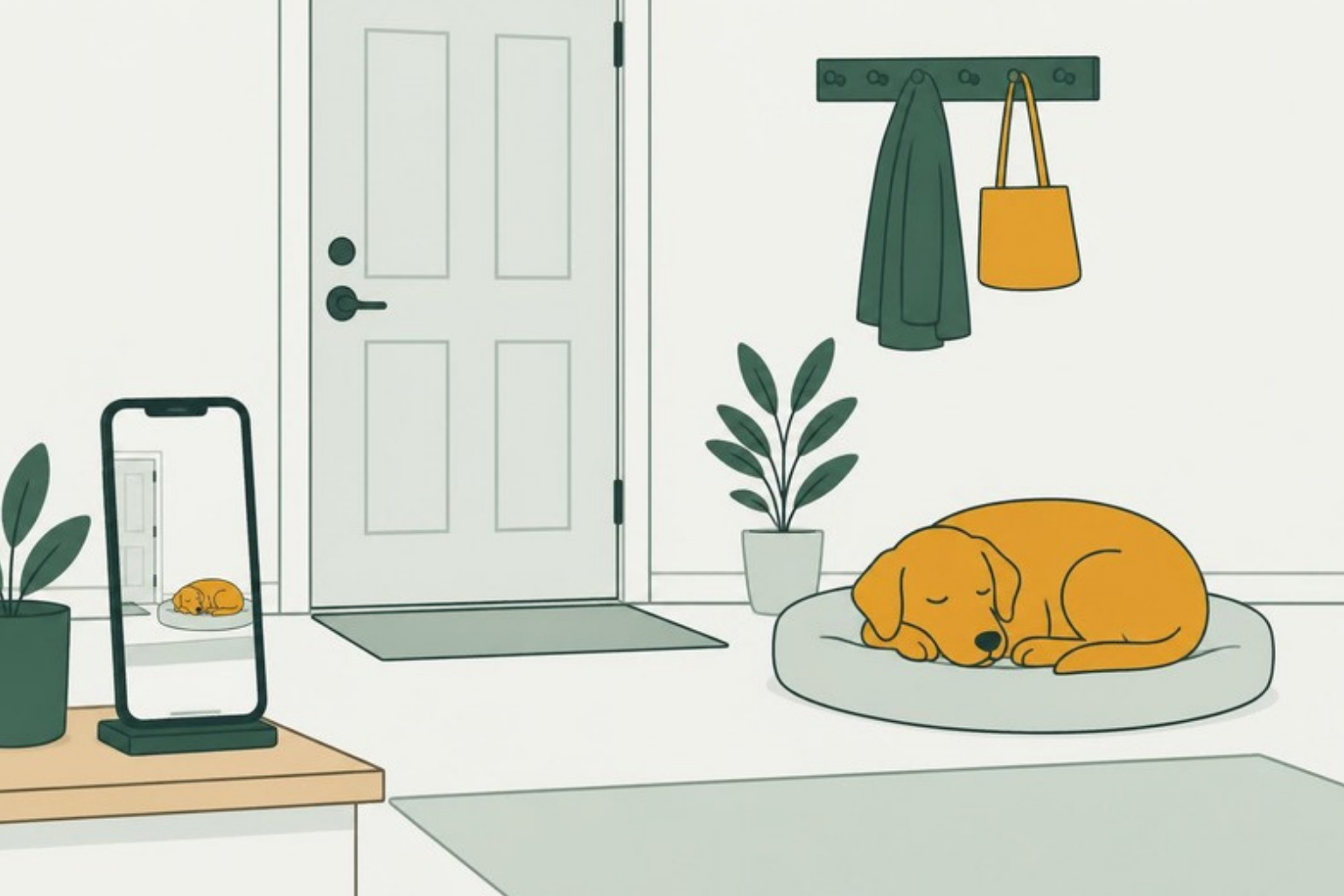
Set up a phone, laptop or pet camera and leave as you normally would. Watch the video and note when your dog first shows stress: whining, pacing, scratching or barking. If it’s two minutes, your training starts well below two minutes.
Step 2: Stop the panic while you train
Every long absence where your dog panics can make the next one harder. While you train, try to avoid leaving your dog alone longer than they can handle. Options include a pet sitter, doggy daycare (if your dog enjoys it), a friend or relative, or taking your dog with you.
Step 3: Make departure cues boring
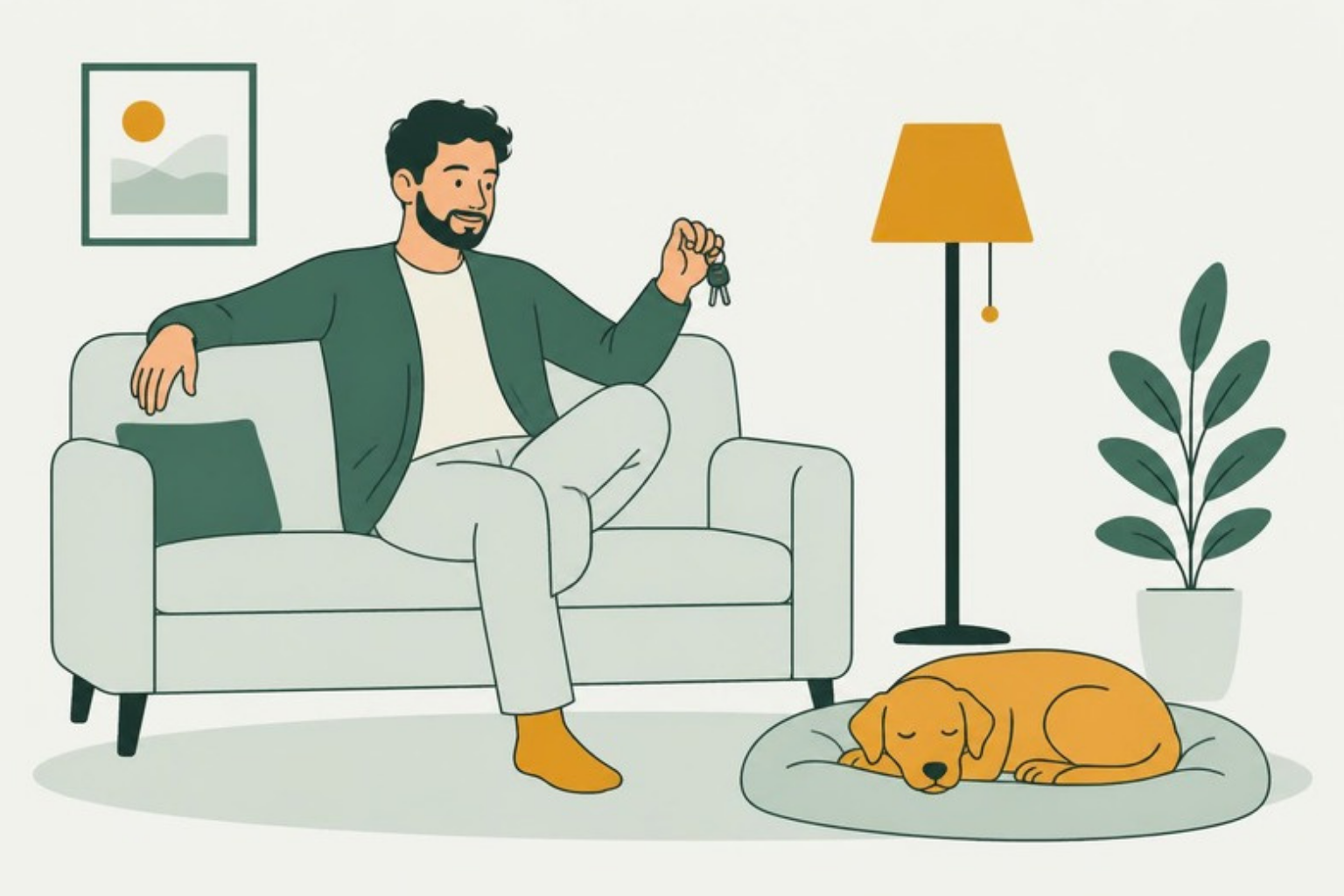
Many dogs start to worry as soon as you pick up keys, put on shoes or grab a bag. Do these things at random times without leaving, several times a day, until your dog stops reacting to them.
Step 4: Practice very short absences
- Step outside and close the door for a few seconds.
- Come back in calmly, without a big greeting.
- Repeat, varying the time: sometimes 3 seconds, sometimes 10, sometimes 5.
- Increase the time slowly, staying below the point where your dog showed stress on video.
- If your dog shows stress, make the next few absences shorter.
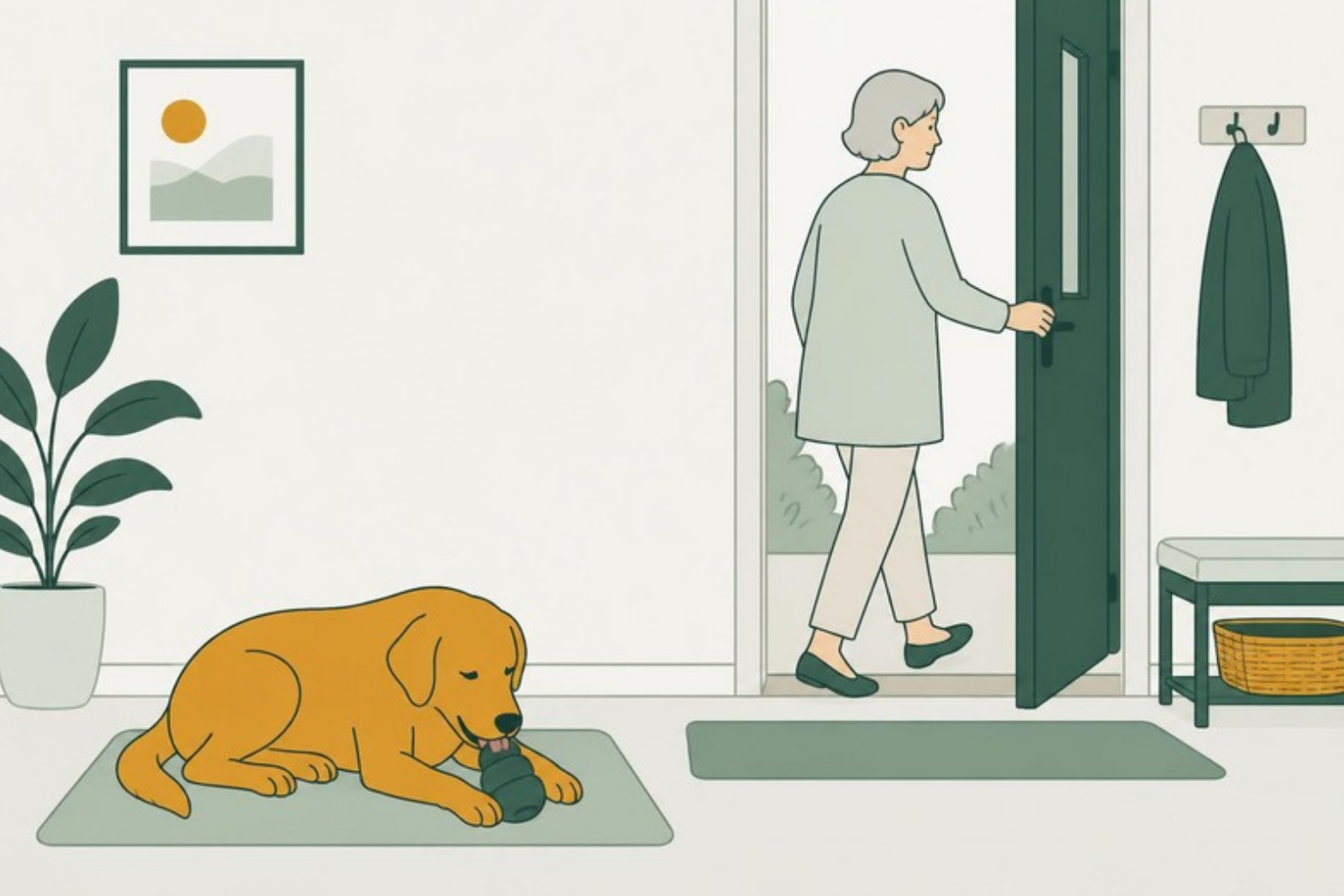
Keep sessions short and end on a relaxed repetition.
An example progression
The ASPCA’s main rule is to plan every absence to be shorter than the time it takes your dog to become upset. Here is how that works in practice, based on the ASPCA’s graduated-absence program:
- Set your starting point from the video. If your baseline video shows stress after two minutes, don’t start at a minute and a half. The ASPCA’s program starts with absences of only one or two seconds, often after first practicing out-of-sight “stays” behind an inside door, such as the bathroom, then a bedroom door, then an exit door you don’t normally use.
- Add a safety cue. Once your dog is relaxed with absences of five to ten seconds, the ASPCA suggests giving a stuffed food toy just before you step out, which tells your dog this is a “safe” separation.
- Mix short and longer absences. VCA Animal Hospitals advises increasing departures gradually and randomly, only if your dog tolerates them well. So instead of 10, 12, 14, 16 seconds, a session might run 10, 4, 12, 6, 14 seconds.
- Let your dog settle between reps. The ASPCA recommends waiting a few minutes between absences, until your dog is completely relaxed again. Leaving while they’re still excited about your return makes the next absence harder.
- Increase in tiny steps. Over weeks, the ASPCA suggests adding only a few seconds each session, or every couple of sessions. The first 40 minutes are the hardest, because most anxious responses happen in that window. After 40 calm minutes, the ASPCA suggests steps of 5 minutes at first, then 15.
What a good session looks like: your dog stays relaxed during every absence and greets you calmly when you return. The ASPCA lists these stress signs to watch for on your video: dilated pupils, panting, yawning, salivating, trembling, pacing and an exuberant greeting.
When and how much to back up: if you see any of those signs, the ASPCA advises shortening your absences to a point where your dog can relax again, starting from that level, and progressing more slowly. The ASPCA stresses that there are no standard timelines, and warns that rushing into absences that are too long provokes anxiety and makes the problem worse. If your dog can’t cope with even very short absences, or gets worse as you train, VCA advises stopping the exercises and consulting a veterinary behaviorist, because some dogs become more sensitive instead of less.
The ASPCA also notes that moderate and severe cases need a desensitization and counterconditioning program designed with a qualified professional, such as a certified applied animal behaviorist or a board-certified veterinary behaviorist.
Session log
Keep a simple record so you can see progress that’s easy to miss day to day. Copy this table into a notebook or phone note:
| Date | Absence length | Stress signs? | Notes | Next step |
|---|---|---|---|---|
| Example: Mon | 10, 4, 12, 6, 14 seconds | No | Relaxed with the food toy, calm greeting | Same range next session, then add a few seconds |
Step 5: Build calm at home
Help your dog practice being relaxed while you’re in another room, using baby gates. Food puzzles and long-lasting chews can help some dogs, though very anxious dogs often won’t eat when alone, which is itself a useful sign.
Step 6: Involve your veterinarian
VCA Animal Hospitals notes that medication can help some dogs with separation anxiety alongside behavior modification. Share your videos with your veterinarian, and ask about referral to a veterinary behaviorist or a certified separation anxiety trainer if you’re not making progress.
Common mistakes
- Leaving the dog to “get used to it”. For dogs with true separation distress, repeated panic tends to make things worse.
- Punishing destruction or accidents. Your dog can’t connect punishment with something that happened earlier, and it adds to their anxiety.
- Big goodbyes and greetings. Emotional departures and returns can make the contrast between together and alone bigger.
- Moving too fast. Separation training is slow. Increasing time too quickly is a common reason plans stall.
- Relying on a crate without testing it. Some dogs panic more when confined. See crates and separation anxiety.
Separation anxiety at different ages
Puppies often cry when first left, which is normal. Build alone time gradually from the first days: short periods in a safe space with a chew while you’re nearby, then in another room.
Adolescents and adults may develop separation problems after changes such as a move, a new schedule or a period of constant company, like working from home.
Senior dogs may become more anxious when alone as their senses or cognition change. The RSPCA also recommends checking for health problems when separation behavior appears.
Separation anxiety can affect any breed. Humane World for Animals’ trainer calls tiring your dog out physically and mentally the best tool you have, so a long sniffy walk and a food puzzle before you leave can help. Exercise and enrichment support the plan, but they don’t fix separation anxiety on their own: the ASPCA notes that moderate and severe cases need gradual desensitization to being alone. Our guide to mental stimulation has ideas for calmer days.
When to get help urgently
Contact your veterinarian and a qualified behavior professional soon if your dog injures themselves trying to escape, stops eating or drinking when alone, or vocalizes for your entire absence. These dogs are suffering, and waiting doesn’t usually help.
If your dog barks when alone but also barks at other times, our guide on how to stop a dog from barking explains the other kinds of barking.
Not sure where to start? Take the 7-question quiz and get the guide for your result by email.
Frequently asked questions
Is my dog being spiteful when they destroy things while I'm out?
No. Dogs with separation anxiety are distressed, not getting revenge. Destruction is often focused on doors and windows, the exits the dog is trying to use to find you.
Will getting a second dog cure separation anxiety?
Not necessarily. Humane World for Animals notes that adopting another pet isn't a silver bullet and can make things more complicated. Try a trial, such as a friend's dog visiting, before committing.
Should I crate a dog with separation anxiety?
Only if your dog is already relaxed in the crate. Some anxious dogs panic when confined and can injure themselves trying to escape. Film your dog in the crate before relying on it.
How long does separation anxiety training take?
It varies widely, from weeks to many months. Measuring absences with video helps you see progress that's easy to miss day to day.
Can puppies have separation anxiety?
Puppies often cry when first left alone, which is normal and usually improves with gradual practice. Practicing short, positive alone time from the start helps prevent problems later.
Sources
- Separation Anxiety — ASPCA
- How to calm a dog with separation anxiety — Humane World for Animals (formerly The Humane Society of the United States)
- Dog Behavior Problems - Separation Anxiety — VCA Animal Hospitals
- Separation related behaviour in dogs — RSPCA
Related guides
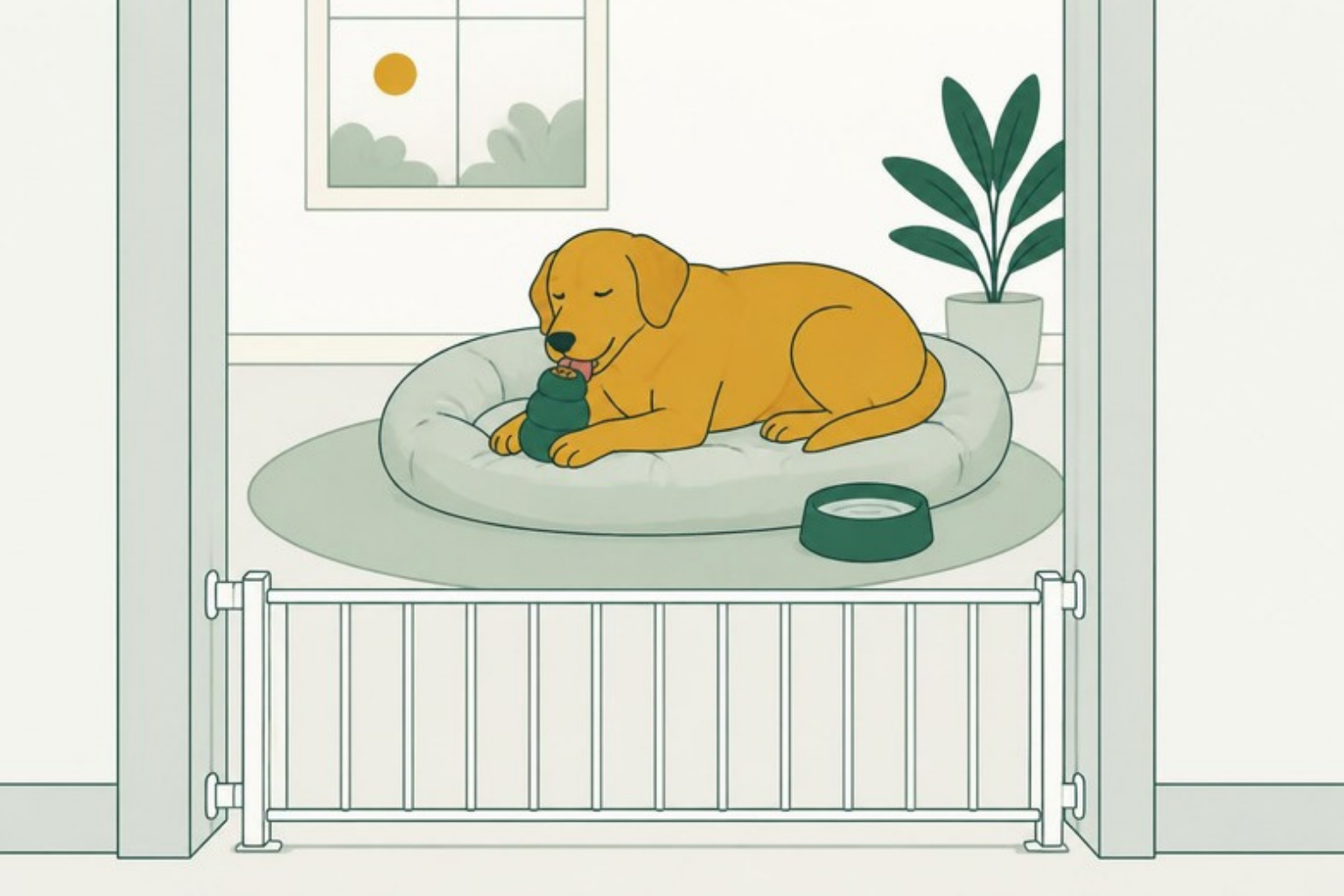 Crates and Separation Anxiety: Help or Harm?
Should you crate a dog with separation anxiety? When a crate helps, when it makes panic worse, the signs to film for, and safer setups while you train.
 Signs of Separation Anxiety in Dogs and What to Do
The signs of separation anxiety in dogs, when they show up, what else can look like it, and how to check your own dog with a simple video before you start.
 Dog Destroys the House When Left Alone? Start Here
Is it separation anxiety, boredom or a chewing phase? How to tell why your dog destroys things when alone, keep them safe, and which plan to follow next.