Signs of Separation Anxiety in Dogs and What to Do
Short answer
Common signs of separation anxiety in dogs are barking, howling or whining, chewing or digging at doors and windows, escape attempts, pacing, drooling or trembling, and accidents indoors, all happening when your dog is left alone. Film an absence to confirm it, ask your veterinarian to rule out medical causes, and never punish what you find.
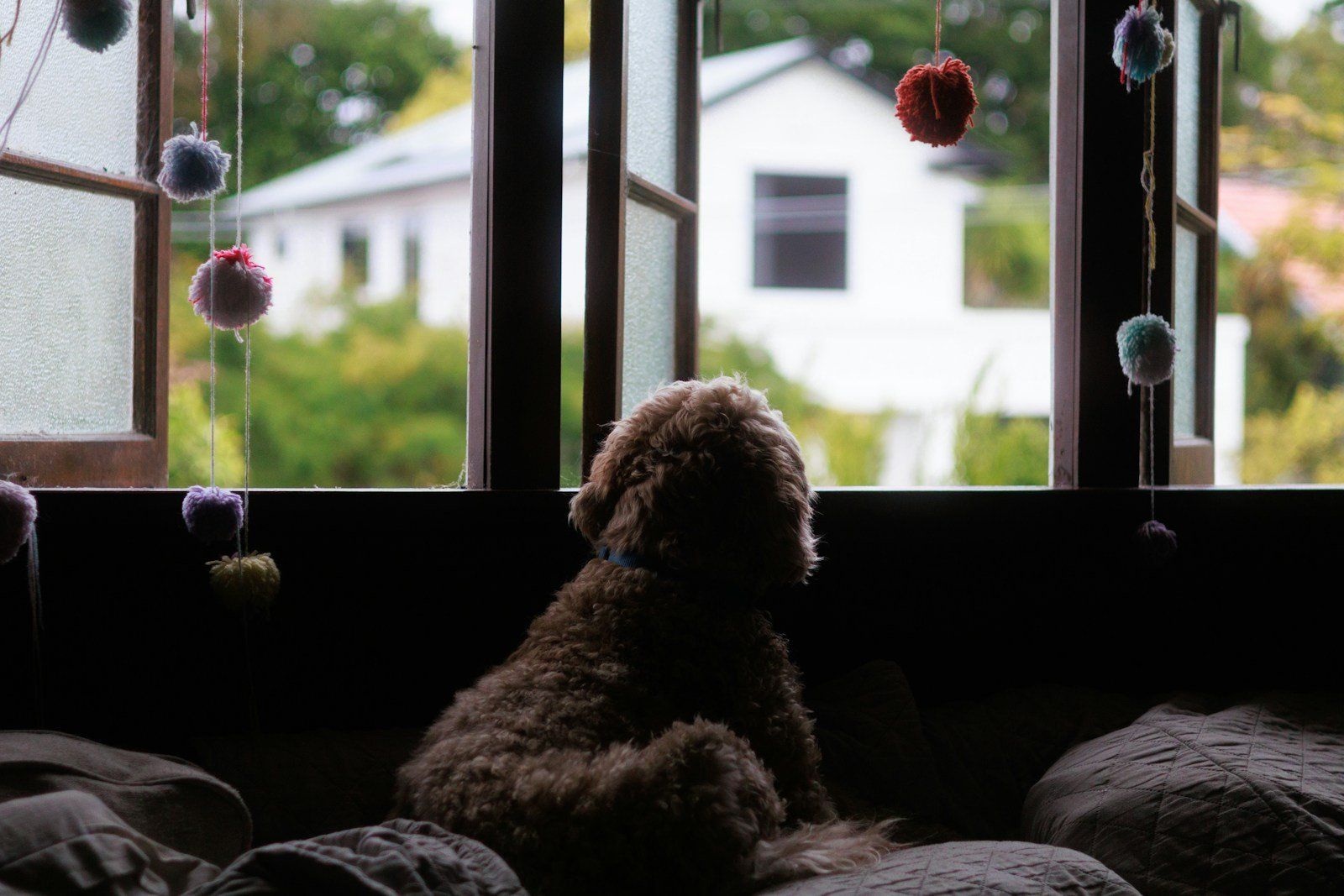
Coming home to a scratched door, a puddle or a complaint from the neighbors doesn’t automatically mean your dog has separation anxiety. The signs overlap with boredom, puppy chewing and some medical problems. This guide lists the signs veterinary and welfare organizations describe, how to tell them apart from look-alikes, and how to check your own dog in one afternoon.
What are the signs of separation anxiety in dogs?
These are the signs the ASPCA, VCA Animal Hospitals’ veterinary behaviorists and Humane World for Animals describe. The key detail is the same for all of them: they happen when your dog is left alone.
| Sign | What it can look like | Described by |
|---|---|---|
| Barking, howling or whining | Persistent noise that doesn’t seem to be triggered by anything except being alone | ASPCA, Humane World |
| Chewing, digging and destruction | Damage to door frames, window sills and other exit points | ASPCA, VCA, Humane World |
| Escape attempts | Digging or chewing through doors or windows, sometimes with broken teeth or scraped paws | ASPCA |
| Pacing | Walking or trotting along the same path in a fixed pattern | ASPCA, VCA |
| Drooling or trembling | Salivating, shaking | VCA, Humane World |
| Accidents indoors | Urinating or defecating, even in an otherwise house-trained dog | ASPCA, VCA, Humane World |
| Vomiting | Being sick only when left alone | VCA |
| Eating feces | Coprophagia when alone | ASPCA |
One sign on its own doesn’t confirm separation anxiety. A pattern of several, only when your dog is alone, is what to look for.
When do the signs happen?
Humane World for Animals explains that the distress starts as soon as you leave: it’s panic, not casual mischief. VCA’s veterinary behaviorists note that the behaviors typically happen when the dog is alone. If your dog barks at the mail carrier or chews shoes while you’re home too, something else is more likely going on.
Is it separation anxiety or something else?
The ASPCA lists several problems to rule out before concluding that a dog has separation anxiety:
| Looks like separation anxiety | What’s different |
|---|---|
| Medical incontinence | A urinary tract infection, hormone-related problems, bladder stones or diabetes can cause accidents. Ask your veterinarian |
| Medication side effects | Some medications cause frequent urination and accidents |
| Excitement or submissive urination | Happens during greetings, play or physical contact, not only when alone |
| Incomplete house training | Accidents happen when you’re home too. See our house training guide |
| Urine marking | Small amounts on upright surfaces |
| Juvenile destruction | Young dogs chewing whether you’re home or not |
| Boredom | Bored dogs don’t appear anxious |
| Barking at triggers | Barking at sights and sounds, not at being alone |
For a closer look at damage around the house, see our guide to dogs who destroy things when left alone. If a house-trained dog suddenly starts having accidents, read about sudden accidents in a house-trained dog and see your veterinarian.
How to check your dog for separation anxiety: step by step
- Film an absence. VCA’s veterinary behaviorists recommend setting up a camera when you leave. A phone, laptop or pet camera works. Leave the way you normally do.
- Watch the whole video. Note the time of the first sign of stress and what it was: whining, pacing, scratching at the door, drooling. That number is your dog’s starting point.
- Note when it happens. Signs that start as you get ready to leave or right after the door closes point to separation distress. Signs triggered by noises outside point elsewhere.
- Check the look-alikes. Compare what you saw with the table above.
- See your veterinarian. VCA lists medical conditions that cause pain or urinary or bowel urgency among the factors behind distress when alone. Rule them out first.
- Avoid long absences while you work out a plan. Every panicked absence can make the next one harder. Our separation anxiety guide explains how to cover absences and how to start training with very short ones.
What makes separation anxiety more likely?
The ASPCA lists situations that can trigger it:
- being abandoned, surrendered to a shelter or given to a new guardian;
- an abrupt change in schedule, such as a guardian going back to the office;
- moving to a new home;
- the sudden absence of a family member.
VCA’s veterinary behaviorists add a lack of early practice at being alone, a traumatic separation such as being dropped at a shelter, medical conditions, cognitive changes in senior dogs, and sound sensitivity.
Common mistakes
- Punishing what you find. The ASPCA is clear: anxious behaviors are distress responses, not disobedience or spite, and punishment can make the problem much worse. Humane World for Animals adds that punishment can increase anxiety.
- Relying on a crate. Humane World for Animals warns that a crate won’t solve separation anxiety and that a dog may get injured trying to escape. See crates and separation anxiety.
- Getting a second dog as a fix. Humane World for Animals says it isn’t necessarily a silver bullet and can make things more complicated.
- Guessing instead of filming. Without a video, it’s easy to mistake boredom or a chewing phase for anxiety, or the other way round.
Signs in puppies, adult dogs and senior dogs
Puppies often cry when first left alone, which is normal. Juvenile chewing and incomplete house training are two of the look-alikes the ASPCA lists, so film before you decide. Our guide to puppy crying in the crate covers the first nights.
Adult dogs, especially those who have been rehomed or whose routine has changed, match several of the triggers the ASPCA describes. A new schedule is worth noting when you talk to your veterinarian.
Senior dogs who suddenly become distressed when alone should see a veterinarian first: VCA lists cognitive changes and medical conditions among the possible causes.
When to get help
Talk to your veterinarian if the signs are new, if your dog is injuring themselves, or if you see accidents, vomiting or drooling. VCA’s veterinary behaviorists advise consulting a veterinary behaviorist if your dog doesn’t tolerate even a short departure. The ASPCA recommends a qualified professional, such as a certified applied animal behaviorist (CAAB) or a board-certified veterinary behaviorist (DACVB), for moderate and severe cases. Any question about medication belongs with your veterinarian.
Not sure where to start? Take the 7-question quiz and get the guide for your result by email.
Frequently asked questions
How do I know if my dog has separation anxiety or is just bored?
Film an absence. The ASPCA notes that bored dogs don't appear anxious, while dogs with separation anxiety show distress, such as barking, pacing or escape attempts, that doesn't seem to be triggered by anything except being left alone.
Does my dog destroy things to get back at me?
No. The ASPCA stresses that anxious behaviors are not the result of disobedience or spite: they are distress responses. Punishing them can make the problem much worse.
Will a crate stop separation anxiety?
No. Humane World for Animals says a crate won't solve separation anxiety, and a dog may get injured trying to escape. Some dogs are relaxed in a crate and others become more stressed, so film your dog before relying on one.
Should I get a second dog to keep my dog company?
Not as a fix. Humane World for Animals notes that adopting another dog isn't necessarily a silver bullet and can make the situation more complicated.
Sources
- Separation Anxiety — ASPCA
- Dog Behavior Problems - Separation Anxiety — VCA Animal Hospitals (Ellen Lindell, VMD, DACVB; Debra Horwitz, DVM, DACVB; Gary Landsberg, DVM, DACVB)
- How to calm a dog with separation anxiety — Humane World for Animals
- Crate training 101 — Humane World for Animals
Related guides
 Dog Separation Anxiety: A Step-by-Step Training Plan
A gradual, force-free plan to help a dog with separation anxiety feel safe home alone: short practice absences, boring departures and when to see your vet.
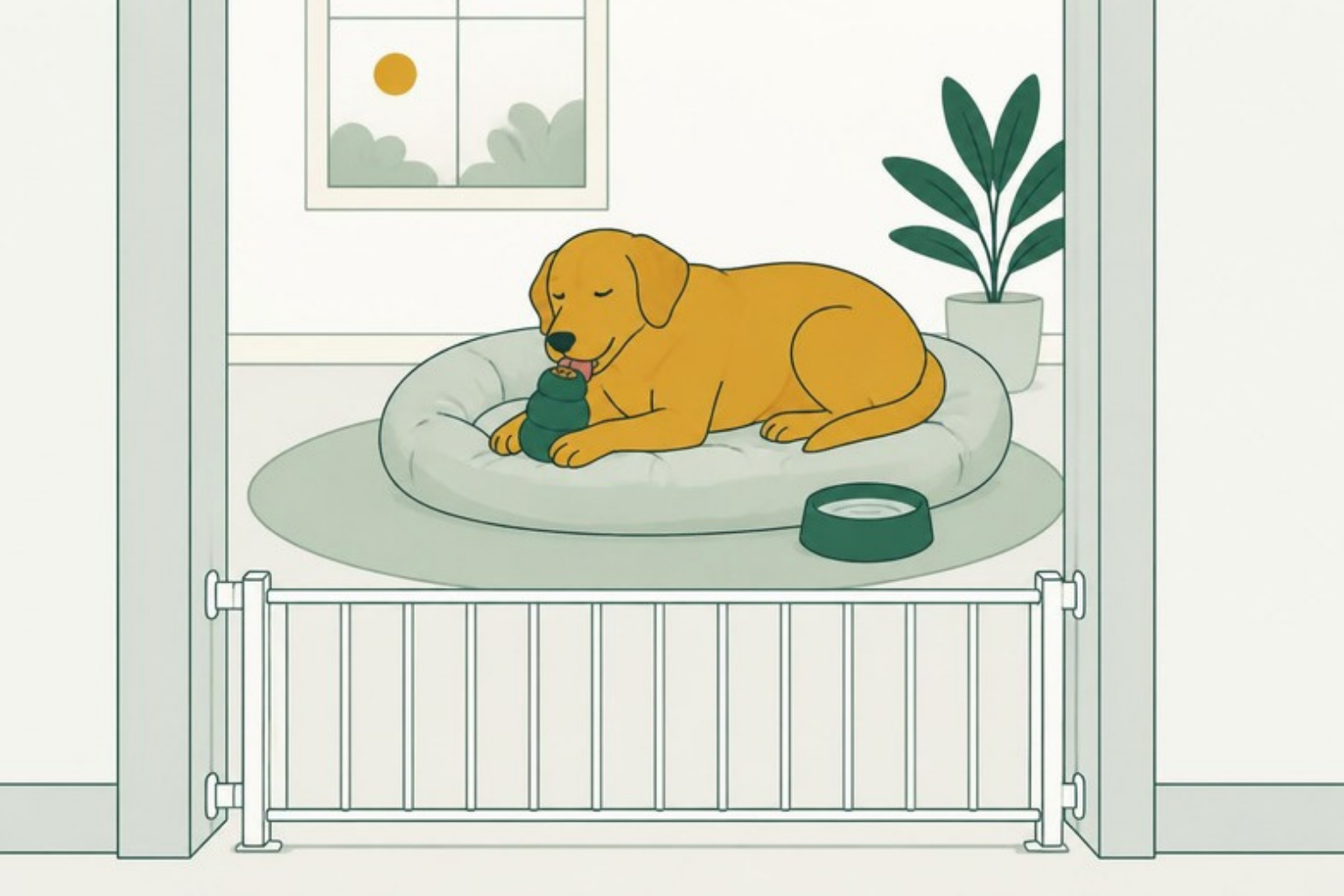 Crates and Separation Anxiety: Help or Harm?
Should you crate a dog with separation anxiety? When a crate helps, when it makes panic worse, the signs to film for, and safer setups while you train.
 Dog Destroys the House When Left Alone? Start Here
Is it separation anxiety, boredom or a chewing phase? How to tell why your dog destroys things when alone, keep them safe, and which plan to follow next.