Dog Adolescence: Why Your Trained Puppy Forgot Everything
Affiliate disclosure: we may earn a commission from the program mentioned below. How this works.
Short answer
Dog adolescence usually runs from about 6 to 18 months, though it varies by dog. Teenage dogs may seem to forget their training, test boundaries and find the world more interesting than your cues. Keep practicing basics in short sessions, reward more often and with better treats, meet their need for exercise and brain work, and keep social experiences calm and positive.
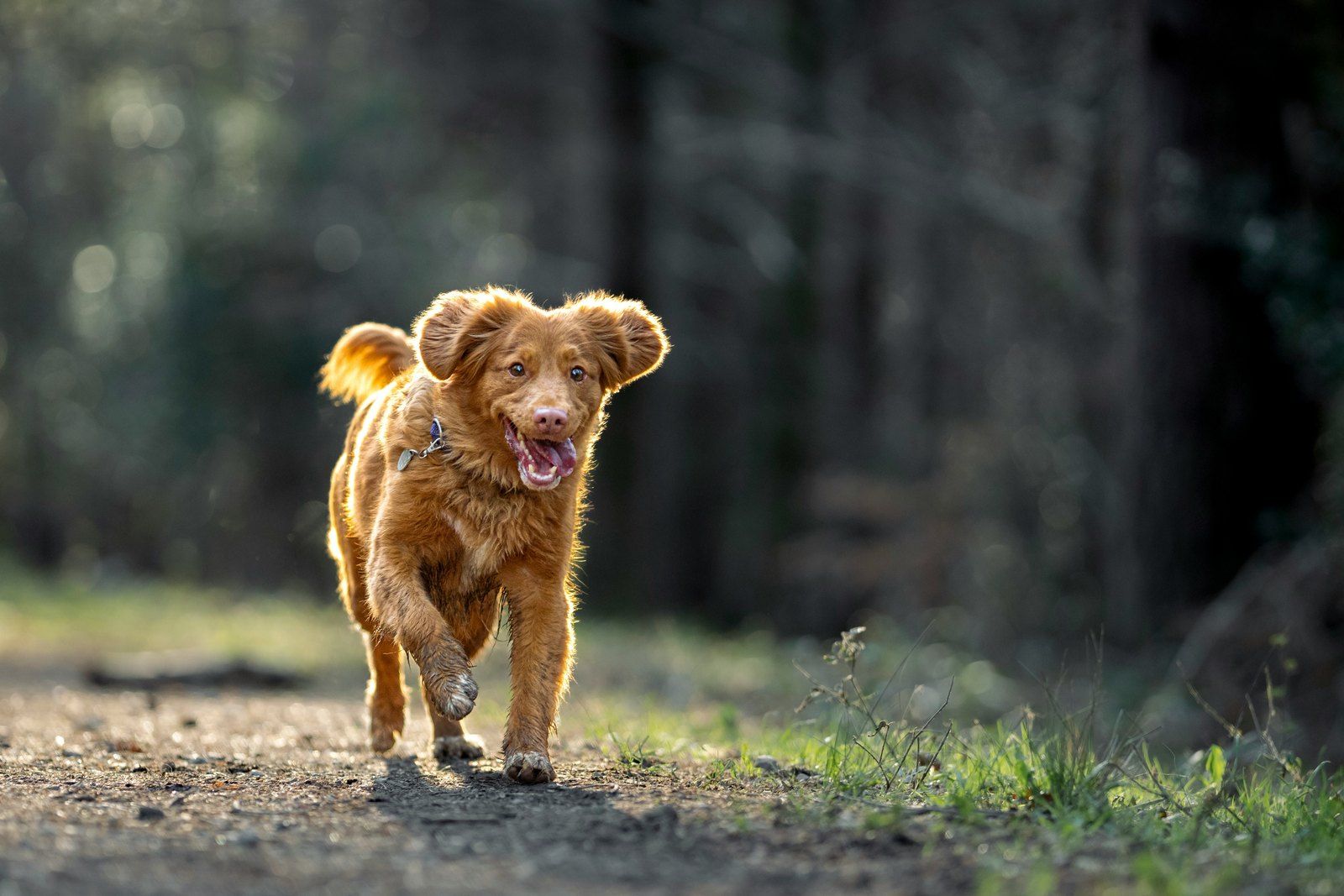
Your puppy knew sit, came when called and walked nicely on the leash. Now, a few months later, they act as if they’ve never heard any of it. If that sounds familiar, you’re probably living with a canine teenager. Adolescence is a normal stage, and for most dogs it’s temporary. This guide picks up where our puppy training guide leaves off.
When is a dog an adolescent?
The sources give slightly different ranges, and the exact timing varies with each dog:
| Source | Adolescence |
|---|---|
| VCA Animal Hospitals’ veterinary behaviorists | Roughly 6 to 18 months |
| AKC, trainer Kathy Santo | A defiant adolescent phase from 5 through 18 months |
| AKC, adolescent puppy article | May begin around 8 months and continue until about 2 years |
A useful rule of thumb: if your dog is somewhere between 5 months and 2 years old and their manners are suddenly slipping, adolescence is a likely part of the story.
What changes during adolescence?
- “Forgotten” training. The AKC describes adolescent dogs who seem to forget everything they’ve been taught. VCA notes that some dogs push back against training they’ve already learned.
- A more interesting world. VCA explains that your dog might find continuing to sniff something outside more rewarding than the reward for coming to you. Your cues now compete with everything else.
- Testing boundaries. VCA describes teenage dogs testing boundaries, and the AKC mentions a desire to explore outside their previous comfort zone.
- Frustration behaviors. When a dog can’t do something they’re itching to do, VCA says you might see repetitive barking, nipping or a return of destructive behavior.
- More chewing. The AKC describes a second chewing phase between about 8 and 10 months, as adult teeth settle in the jaw.
- Energy. Adolescent dogs need plenty of physical and mental activity, according to both VCA and the AKC.
What shouldn’t change
VCA is clear on one point: a teenage dog should not regress in potty training. If your dog starts having accidents again, get a medical evaluation to rule out health conditions. Our guide to sudden accidents in a house-trained dog explains what to tell your vet.
How to get through adolescence: step by step
Step 1: Keep training, but make it easier
The AKC recommends continuing to practice basics several times a week and rewarding your dog for their efforts. If a cue starts to slip, don’t wait until it stops working altogether. Calmly interrupt the unwanted behavior, redirect your dog to the one you want, and reward it. In practice:
- Go back a step. Practice in the easy places where your dog last succeeded, then rebuild. Our commands guide uses the same rule: if your dog struggles, you’ve likely gone too far too fast.
- Keep sessions short and end on a success.
- Use the same cue words. Santo points out that “come” today can’t be “come here” tomorrow and “get over here” the next day.
Our commands guide explains how to make cues reliable everywhere.
Step 2: Pay better
VCA’s advice for the teenage phase: use positive reinforcement only, reward well and reward often. It suggests increasing either how often you reward or the value of the rewards, and introducing tasty new treats to keep things interesting. If a sniff in the grass is worth more to your dog than a piece of kibble, upgrade the treat, or use the sniff itself as a “life reward,” as our loose-leash walking guide explains.
Step 3: Meet the need for exercise and brain work
VCA recommends activities that help your dog burn off both physical and mental energy, and the AKC puts it this way: a tired dog is a good dog, but a mentally tired dog is a great dog. It suggests fetch, walks, games, training and puzzle toys. Our guide to mental stimulation has games and a sample week.
Step 4: Manage what you can’t train yet
While your dog’s skills catch up, prevent the mistakes that are hardest to undo. A long line in open spaces keeps recall safe, a gate keeps a counter surfer out of the kitchen, and a leash when guests arrive stops the jumping. Management isn’t giving up; it stops your dog practicing habits you’ll have to undo later.
Step 5: Keep social experiences positive
VCA’s veterinary behaviorists stress that during adolescence, between about 6 and 18 months, it’s important to keep social experiences positive and calm, to support your dog’s confidence and comfort through adulthood. Watch for the signs of fear VCA lists, such as trembling, refusing to play or take treats, or trying to escape or pull away, and give your dog more distance when you see them.
Step 6: Teach calm, not just commands
Frustration and excitement are common in teenage dogs. A dog who can switch off is much easier to live with; our guide on how to teach a dog to settle shows how, including a play-and-settle game for busy dogs.
Common teenage problems and where to start
| Problem | What helps first | Our guide |
|---|---|---|
| Pulling on the leash | Rewarding a loose leash often, in easy places | Loose-leash walking |
| Jumping on people | Removing the rewards for jumping, a sit for greetings | Jumping on people |
| Stealing food from counters | Clear counters, a gate, go to your place | Counter surfing |
| Lunging or barking at other dogs | Distance, treats while other dogs are in view | Leash reactivity |
| Destructive chewing when alone | Working out whether it’s boredom, chewing or anxiety | Destruction when alone |
| Mouthing and nipping | Toys, pausing play when teeth touch skin | Stopping biting |
Common mistakes
| Mistake | Why it backfires | Do this instead |
|---|---|---|
| Assuming your dog is “stubborn” | The world has simply become more rewarding (VCA) | Reward more, and with better treats |
| Punishing boundary testing | VCA recommends positive reinforcement only | Reward what you want; manage the rest |
| Stopping training once the puppy class ends | Skills fade without practice (AKC) | Short practice sessions several times a week |
| Giving full freedom too soon | Your dog practices unwanted habits | Long line, gates and supervision for a while |
| Ignoring new accidents | VCA says potty training shouldn’t regress | Veterinary check |
Adolescence in different dogs
Timing varies between dogs, as the AKC notes, so compare your dog with their own progress rather than with other dogs of the same age.
Unneutered dogs: VCA suggests that if your dog isn’t spayed or neutered, adolescence is a good time to revisit the topic with your veterinarian, as some teenage behaviors may be hormone-driven.
Energetic and working breeds such as the Border Collie, German Shepherd and Siberian Husky have high exercise and brain-work needs; their breed pages explain what suits them.
When to get help
Adolescence is usually just a phase, but some problems need more than patience. Talk to your veterinarian and a qualified behavior professional, such as a certified trainer or behavior consultant who uses reward-based methods, if your dog:
- growls, snaps or bites, or guards food or toys (see our guide to resource guarding),
- becomes fearful of people, dogs or places they used to be comfortable with,
- has new house-training accidents (VCA advises a medical check),
- or isn’t improving after several weeks of consistent training.
Not sure where to start? Take the 7-question quiz and get the guide for your result by email.
Frequently asked questions
At what age do dogs go through adolescence?
Sources give slightly different ranges. VCA Animal Hospitals' veterinary behaviorists describe adolescence as roughly 6 to 18 months, the AKC's trainer Kathy Santo describes a defiant phase from 5 through 18 months, and another AKC article notes it may start around 8 months and last until 2 years. It varies with each dog.
Why is my adolescent dog ignoring me?
VCA explains that your dog might find sniffing something outside more rewarding than the treat they get for coming to you. Often the rest of the world has simply become more interesting. Reward more often, and with better treats, and practice in easier places.
Should I punish my teenage dog for testing boundaries?
No. VCA's advice for the teenage phase is to use positive reinforcement only: reward well and reward often. Punishment doesn't teach your dog what to do instead.
My adolescent dog started having accidents again. Is that normal?
VCA says a teenage dog should not regress in potty training, and that if you notice this, it's best to get a medical evaluation to rule out health conditions. Our guide to sudden accidents in a house-trained dog explains what to tell your vet.
Does adolescence end?
For most dogs, VCA says, it's just a phase. With patience, positive reinforcement and enough enrichment, you and your dog will come out the other side with your bond intact.
Sources
- Puppy teenage phase — VCA Animal Hospitals
- Puppy Behavior and Training: Socialization and Fear Prevention — VCA Animal Hospitals (Ellen Lindell, VMD, DACVB; Monique Feyrecilde, LVT, VTS (Behavior); Debra Horwitz, DVM, DACVB; Gary Landsberg, DVM, DACVB)
- Your adolescent puppy and changes to expect — American Kennel Club
- When training falls apart: does your dog need to go back to school? — American Kennel Club (Kathy Santo)
Related guides
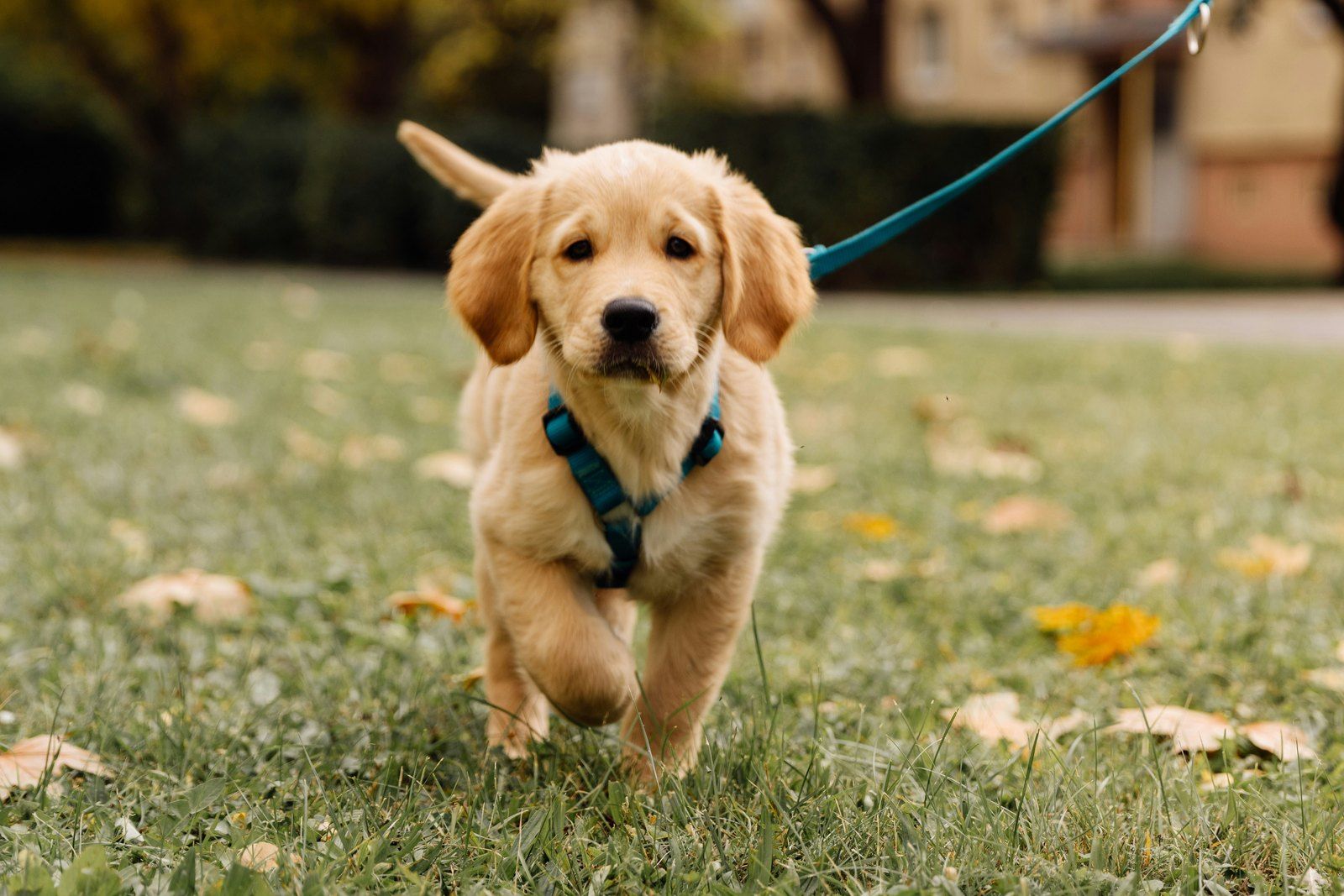 Puppy Training Guide: The Stages of Training a Puppy
A force-free puppy training guide organized by age: socialization, potty training, sleep, biting and first cues, and what matters most early on.
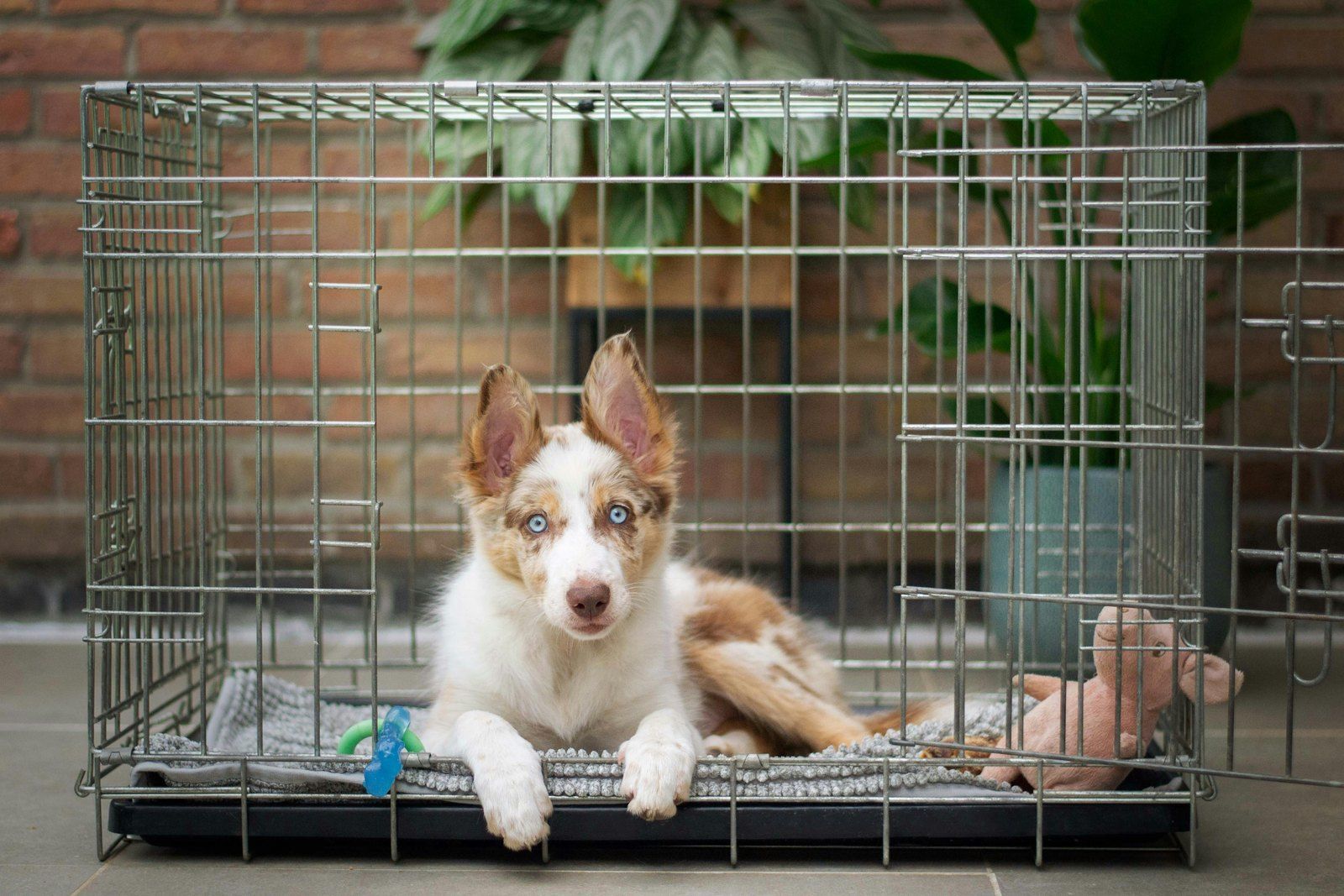 Puppy Crying in the Crate at Night: What Helps
Why a new puppy cries in the crate at night, how to tell a potty need from settling-in stress, and gentle steps that help them sleep, without punishment.